

Elizabeth Street, fashion & wellness for inspirational women
Browse the Book
Style (with substance). Beauty (inside and out). Diet (Healthy with a little naughty). Self-Care (Self Love).

Hi ladies, Nikki here!
I had a startling revelation a few years ago, that women regularly talk rather negatively about themselves (and sadly often about other women too).
It really fired me up to be a cog in the wheel of changing this perplexing dynamic. At Elizabeth Street I promise to only inspire and uplift women, by helping them to find their personal style while promoting self-care and pride in who they are.
We believe in lifting other women up and encourage you to not compare life with others, but to go through your own metamorphosis in life in your own beautiful uniqueness.
We update our blog twice a week to connect, motivate and ignite sparks of creativity and confidence in your life.



You’ll also love
Style (with substance). Beauty (inside and out). Diet (Healthy with a little naughty). Self-Care (Self Love).
- Oris Watches Combine Swiss Precision with Modern Innovation
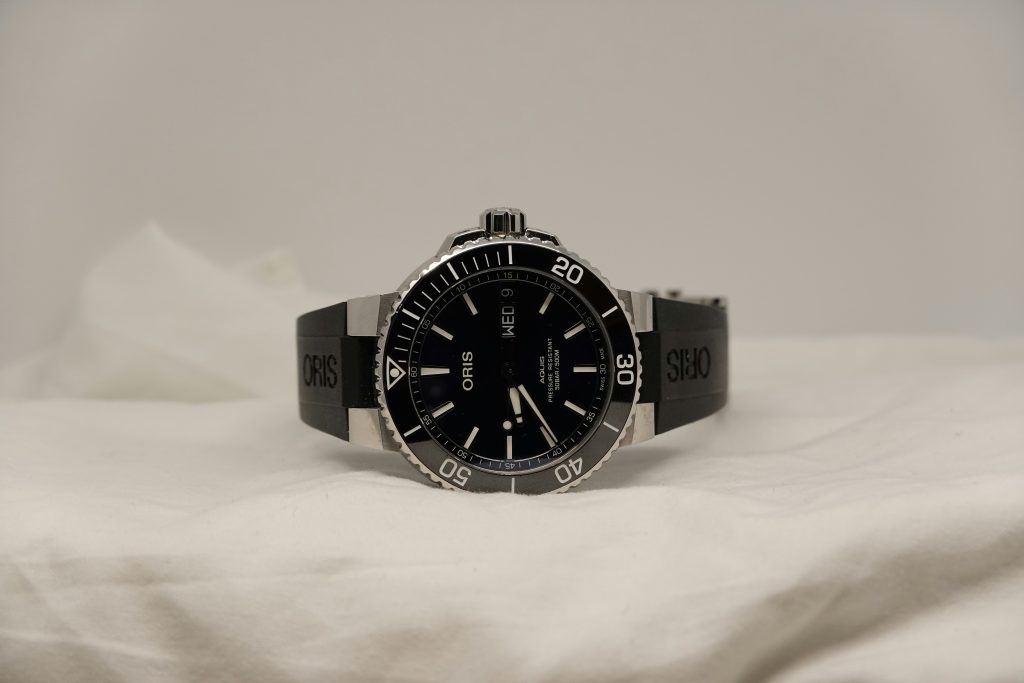 In a fast-moving world, where everyone is stuck in screens seeing their daily steps, there is a subtle joy in having a strapped watch on your wrist. Among the major… Read more: Oris Watches Combine Swiss Precision with Modern Innovation
 - The Pros and Cons of Different Hair Extension Methods: Halo, Clip-In, and Tape-In
 Hair extensions offer a quick way to add length and volume to natural hair. Three popular methods stand out: halo, clip-in, and tape-in extensions. Each type works differently and fits… Read more: The Pros and Cons of Different Hair Extension Methods: Halo, Clip-In, and Tape-In
 - How Regular Plumbing Maintenance Enhances Home EfficiencyRegular plumbing maintenance is often overlooked until a serious problem arises, costing homeowners significantly in both repairs and energy usage. Studies suggest that homes can conserve up to 20% more… Read more: How Regular Plumbing Maintenance Enhances Home Efficiency